Mashallah Meaning in Islam: Arabic Meaning, When to Say It & Spiritual Benefits
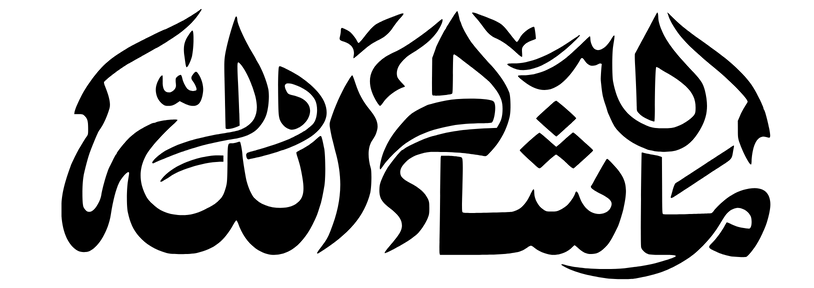
Mashallah is one of the most beautiful and widely used Islamic expressions. It means “What Allah has willed.” Muslims say Mashallah when they see beauty, success, children, achievements, or blessings. This phrase reminds the heart that every good thing comes from Allah.
In a world full of comparison and pride, Mashallah teaches gratitude, humility, and respect. It changes a simple compliment into remembrance of Allah. Whether you heard it online, in family gatherings, or from Muslim friends, this complete guide will help you understand the true Mashallah meaning and how to use it correctly.
What Does Mashallah Mean?
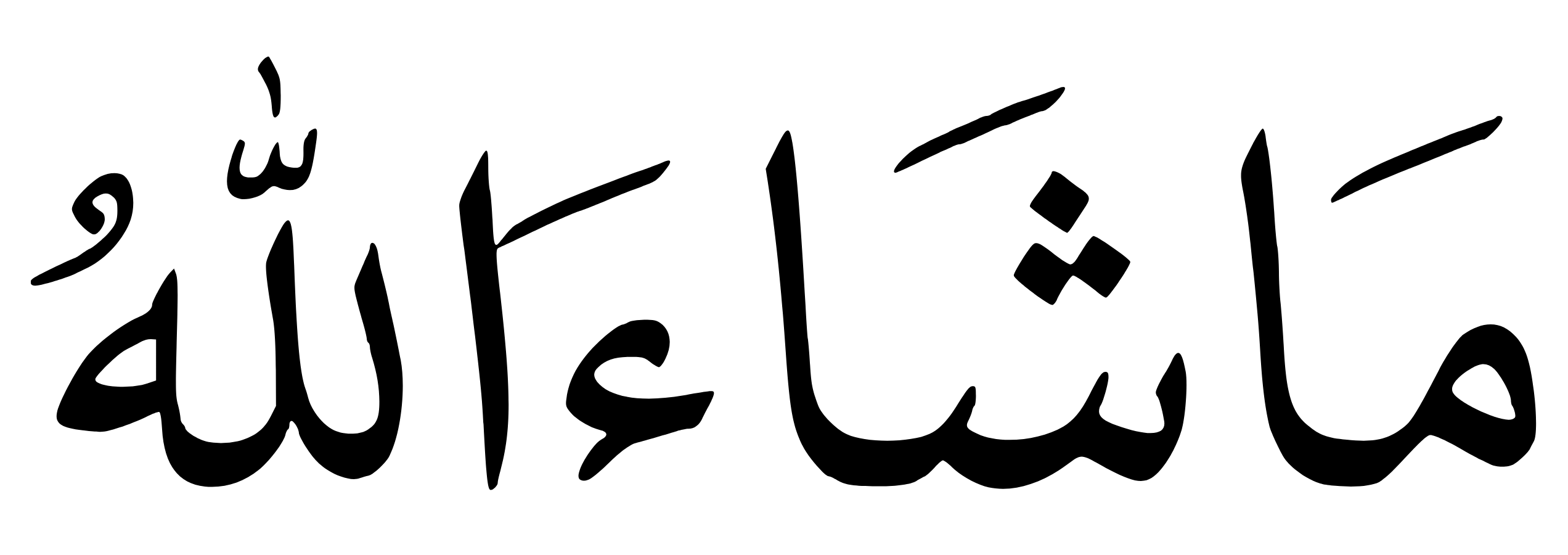
Definition: Mashallah (ما شاء الله) means “What Allah has willed” or “As Allah has willed.” It is said when admiring something good while recognizing that the blessing exists only by Allah’s permission.
Word Breakdown
- Ma = What
- Sha’a = Willed
- Allah = God
Together, the phrase teaches that beauty, wealth, success, intelligence, and blessings are not only human achievements. They are gifts from Allah.
Theological Significance
In Islam, every blessing comes from Allah. Mashallah embodies Tawhid, the belief in Allah’s oneness and ultimate control over all creation. This phrase reminds believers to stay humble, grateful, and spiritually connected, recognizing that good fortune is never purely by chance or personal effort.
The Origins and Historical Context of Mashallah
Quranic References
While the exact phrase “Mashallah” does not appear in the Qur’an, its concept is deeply rooted in verses about divine will.
For example, Surah Al-Kahf (18:39) teaches:
“When you entered your garden, why did you not say, ‘What Allah willed; there is no power except with Allah’?”
This verse reflects the essence of Mashallah—acknowledging Allah’s will when admiring blessings.
Historical Usage in Islamic Civilization
Mashallah became embedded in Muslim daily life from the earliest days of Islam. Scholars, poets, and everyday people have used it for centuries to celebrate beauty and success while maintaining humility. During the Islamic Golden Age, mashallah frequently appeared in art, architecture, and literature, symbolizing divine inspiration and gratitude.
Mashallah Tabarakallah: A Combined Expression of Praise and Blessing
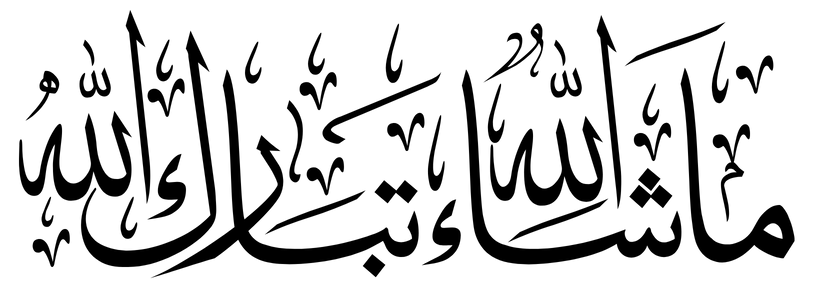
MashallahTabarakallah
Often, you will hear Muslims say “Mashallah Tabarakallah” together, especially when admiring someone’s success, beauty, or blessings. This powerful combination joins two deeply meaningful Arabic expressions:
Mashallah Tabarakallah Meaning
This powerful phrase combines two expressions:
- Mashallah = What Allah has willed
- Tabarakallah = Blessed is Allah
Together it means admiration plus dua for continued blessings.
When used together, Mashallah Tabarakallah not only recognizes Allah’s will but also asks for His continued blessings and protection over the admired person or thing. It’s both a declaration of appreciation and a heartfelt dua.
This combined phrase is especially common when admiring children, health, knowledge, or achievements. Many parents encourage saying “Mashallah Tabarakallah” to protect their children from the evil eye (Nazar), as the mention of Allah’s name is believed to shield blessings from envy or harm.
In Islamic tradition, this phrase also reinforces humility. By saying Mashallah Tabarakallah, we remind ourselves that every success and form of beauty belongs to Allah alone, and we should be grateful for His generosity. It shifts focus from material admiration to spiritual gratitude, creating a positive and protective energy in our words.
In today’s digital age, #MashallahTabarakallah is widely used on social media posts celebrating milestones, weddings, and personal achievements. It’s not merely a trendy phrase; it carries a sincere spiritual meaning, connecting believers back to the source of all blessings.
Using Mashallah Tabarakallah regularly nurtures gratitude, humility, and protection, reminding us to appreciate Allah’s gifts while seeking His continuous favour in our lives.
When to Say Mashallah
You can say Mashallah in daily life when you see something good.
Common Situations
- A beautiful baby
- Someone’s new house
- Exam success
- Business growth
- Wedding photos
- Nature scenes
- Health recovery
- New car or achievement
Example: “Mashallah, your child is so smart.”
Common Contexts in Daily Life
Expressing Admiration Without Envy
Mashallah turns admiration into a spiritual act. Instead of fostering jealousy, it channels appreciation toward Allah, who granted the blessing.
Protecting Against the Evil Eye
Many Muslims believe that Mashallah protects against Nazar (the evil eye)—harm caused by envious looks. By invoking Allah’s name, we safeguard the admired blessing from negative intentions.
Cultural Significance Across Muslim Communities
Regional Variations and Pronunciations
From “Mashallah” in Arabic to “Maşallah” in Turkish, pronunciation varies, but the meaning remains unchanged. Each culture adds its unique flavour while keeping the spiritual core intact.
Integration into Local Languages
Mashallah is widely used by non-Arabic-speaking Muslims, seamlessly blending into languages like Urdu, Persian, and Malay. Its universality highlights the deep resonance of acknowledging divine will across cultures.

Mashallah vs Inshallah
| Phrase | Meaning | Used For |
|---|---|---|
| Mashallah | What Allah has willed | Present blessings |
| Inshallah | If Allah wills | Future hopes |
| Alhamdulillah | All praise is for Allah | Gratitude |
| Subhanallah | Glory be to Allah | Amazement / praise |
Mashallah and Evil Eye (Nazar)
In Islam, envy can harm hearts and relationships. The Prophet ﷺ taught that the evil eye is real. Because of this, many Muslims say Mashallah when praising someone.
It helps remove jealousy and places the blessing under Allah’s protection.
Parents often say:
Mashallah Tabarakallah
Especially for children, health, and family blessings.
How Mashallah Serves as Protection
By attributing blessings to Allah, we redirect admiration away from personal credit, minimizing jealousy, and invoking divine safeguarding.
Proper Etiquette and Pronunciation
Correct Arabic Pronunciation
Mashallah is pronounced as “Maa-shaa-Allah” with a soft “sh” sound. Proper pronunciation reflects respect for the sacred expression.
Written Forms and Transliterations
You may find it as “Mashallah,” “Masha’Allah,” or “MashaAllah.” All are accepted, though “Mashallah” is the most widely used in English.
Mashallah in Modern Digital Communication
Usage in Social Media
Mashallah thrives online—appearing in Instagram captions, TikTok comments, and hashtags like #Mashallah to admire blessings and achievements.
Emoji and Digital Expressions
While emojis (like ✨) often accompany the phrase, the essence remains the same: acknowledging divine will in the digital age.
Teaching Children to Say Mashallah
Parents teach children this phrase so they grow with gratitude and humility.
Easy Method
- Use it daily at home
- Say it when praising them
- Explain Allah gives blessings
- Encourage saying it for others
- Repeat naturally
Common Mistakes About Mashallah
- Thinking it is only a compliment
- Using it without sincerity
- Confusing it with Inshallah
- Ignoring gratitude behind the phrase
Psychological Benefits of Saying Mashallah
- Reduces jealousy
- Builds gratitude
- Creates positive speech
- Strengthens relationships
- Increases spiritual awareness
- Promotes humility
Is It Only for Muslims?
No. Anyone may say Mashallah respectfully. Many non-Muslims use it when appreciating Islamic culture or speaking with Muslim friends.
Global Recognition and Interfaith Understanding
Non-Muslim Awareness
Non-Muslims increasingly adopt Mashallah, appreciating its positive energy and universal acknowledgment of divine providence.
Cross-Cultural Appreciation
Mashallah’s meaning transcends faith and language, making it a powerful tool for fostering understanding and respect worldwide.
Quick FAQs
What does Mashallah mean?
It means “What Allah has willed.”
When should I say Mashallah?
When seeing blessings, beauty, or success.
What is reply to Mashallah?
You may say JazakAllah Khair, Ameen, or Thank you.
Is Mashallah in the Quran?
The concept appears in Surah Al-Kahf 18:39.
Can non-Muslims say Mashallah?
Yes, respectfully.
Conclusion
Mashallah is more than a phrase. It is a way of seeing life through gratitude. It reminds people that beauty, children, success, and blessings are gifts from Allah.
Next time you admire something wonderful, say Mashallah. It protects the heart from envy and fills words with faith.
May Allah fill your life with blessings — Mashallah.